Paper Programme or Digital Page: Two Matchday Keepsakes
Paper programme or digital page: compare how each keeps team details, matchday notes and personal memories available to revisit after the final whistle.
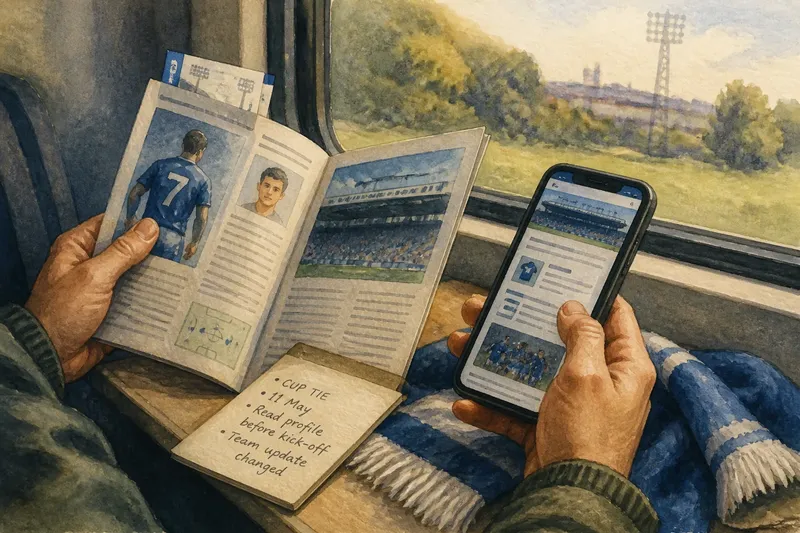
A paper programme can slip beneath a coat on the journey home; a digital matchday page can stay open on a phone beside the train timetable. The choice between a paper programme or digital page is not simply about format: each keeps a different kind of record, and invites a different way of returning to the day.
1. What does each format hold?
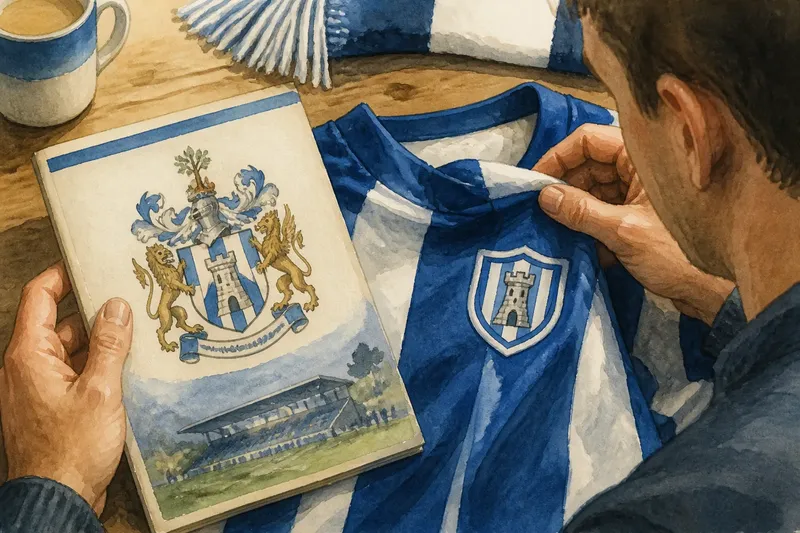
A printed programme makes a fixed object of the matchday’s published material. Depending on the club and the particular edition, it may include team details, player profiles, editorial features, junior or community news, and space devoted to the occasion. The pages remain together in the order they were printed, even after the team sheet changes or the next fixture arrives.
A digital matchday page can gather information that suits a screen: team news, links, images, short updates and material that may be revised during the day. Its contents need not be limited to one printed issue, but what remains available later depends on how the club maintains its site or app.
Think of the difference as a paper map beside a live route on a phone. The map holds a stable view you can look over again; the live route can respond as circumstances change. Neither is the whole day, but each makes a different part easier to retain.
2. How does print shape the memory?
Paper gives match information a physical sequence. You can remember turning to a player profile before kick-off, spotting a familiar name in the team list, or reading a feature while waiting for play to begin. The order of pages becomes part of the setting in which those details were encountered.
That sequence also gives the object a boundary. A programme belongs to a particular fixture or edition, and its printed contents do not shift when a page is refreshed. If a late change matters to your recollection, the issue may preserve what was planned rather than what eventually happened; a handwritten note can add the difference without replacing the original page.
Paper’s physical presence can prompt memory through small marks: a crease, a ticket tucked inside, or a note beside a name. These traces are personal additions, not official match records. They can make an ordinary programme feel specific to the person who carried it.
3. What can a digital page preserve?
A digital page is often better suited to material that changes or connects elsewhere. A club can revise a team update, link to a related feature, or gather matchday information in one place. If that page is still accessible later, a reader can return to its wording and follow the links that remain active.
Its memory is less tangible and more dependent on access. A page may be updated, reorganised, moved behind a new navigation menu or removed. Saving a link is convenient, but a link alone does not preserve what it once showed; a personal note describing the page’s content may be more useful when revisiting the occasion.
Digital material can also make it easier to search for a name or phrase, if the page and its search tools support that. This helps when you remember a detail but not where it appeared. By contrast, a printed programme asks you to browse its pages, which can itself bring back the moment of reading.
4. Which format suits the memory you want to keep?
Start with the kind of detail you expect to revisit. Choose print if you want an object tied to one fixture, with a stable set of pages and room for your own marks. Choose a digital page if you value linked material, changing updates or the ability to search and revisit information on a screen.
Neither format needs to stand alone. You might keep a programme for its editorial features and note the club’s digital page for an update that was not included in print. The useful distinction is what each source actually preserves, rather than which one is supposedly more complete.
Say you attend a cup tie and want to remember both the printed player profile you read before the match and a late team update on the club page. You could keep the programme, then add a brief note on a separate card naming the update and where you saw it. The programme retains the fixed issue; the note gives your future self a clue to the digital detail, without pretending that the page will remain unchanged.
5. How can you make a keepsake easier to revisit?
A keepsake works best when you can identify its connection to the day. For a printed programme, write the fixture and date discreetly on an inside page if they are not already clear, and keep any loose ticket with it. For a digital page, save the page title and link alongside a short note about the content that mattered to you.
Keep personal annotation distinct from the source. A note such as “read before kick-off” or “team update changed” can help explain why the item matters later, while leaving the printed text or saved page’s own content clear. Avoid writing on a programme you value as an untouched edition; a separate slip can carry the same reminder.
For print, choose a dry, clean place where pages will not be crushed by other matchday items. For digital material, use a saved link or bookmark you can find again, and consider keeping a personal note if the page is likely to change. Any handling or storage advice that depends on a specific material, device or service should follow the relevant maker’s instructions.
What do readers often ask about matchday keepsakes?
Is a paper programme more reliable as a record?
It preserves the edition as printed, which is useful when you want to revisit its original layout and wording. It may not capture late changes or everything that happened during the match.
Can a digital matchday page be kept for later?
You can save its link and make a note of the material you want to remember, but the page may later be updated or removed. Treat a saved link as a route back, not as an unchanging copy.
Should I keep both formats?
Keep both if they hold different details you expect to revisit. If they repeat the same information, choose the one that best fits the memory or material you want to retain.
What should I write beside a programme?
A brief fixture note, a personal observation or the reason you kept the issue can make it easier to place later. Keep additions separate or discreet if preserving the original pages matters to you.
Which keepsake belongs in your matchday routine?
Choose a paper programme or digital page according to the kind of matchday record you want to return to: a fixed, handled object or a changeable, linked page. The paper programme can preserve a particular edition and the marks you add to it; the digital page can bring together updates and connected material while it remains accessible.
Before you leave the ground, take a moment to name what you want to remember. That small note—on a programme’s blank margin, a separate card or a saved page’s accompanying reminder—can make either keepsake more useful when the match itself has become a blur.