The Lucky Shirt Is a Memory, Not a Forecast
A lucky shirt can hold a matchday memory without predicting the score. Learn how to enjoy the ritual while keeping clothing and outcomes distinct.
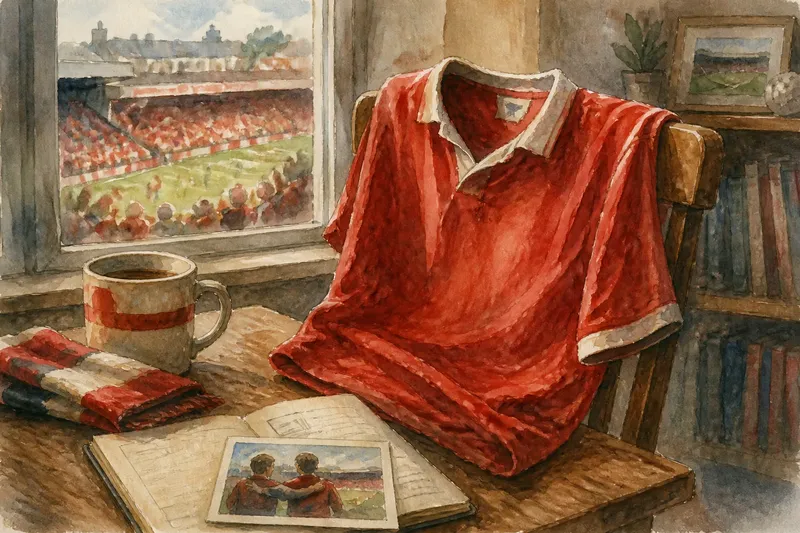
You reach for the old shirt before a big match, smoothing the faded collar as if it might settle your nerves. A lucky shirt can make a sporting ritual feel personal, but it cannot forecast the result. Its real force lies in what you remember while wearing it.
What does a lucky shirt actually hold?
A garment gathers associations. Perhaps you wore it during a match watched with your sister, or it came home with you after a long away day. The fabric itself is ordinary; the moments attached to it are not.
That distinction matters because memory can feel like evidence. If a team won while you wore the shirt, the match becomes easy to recall whenever the garment appears. Unremarkable occasions in which you wore it may slip from mind, leaving a neat story: shirt on, win secured.
Think of it like a familiar mug beside your chair. It can make a quiet evening feel recognisable, but it does not decide what happens in the room. A shirt can steady your routine in the same way, without affecting play on the pitch.
Why does one result make the ritual feel powerful?
Sport gives people sharp emotional contrasts: a tense wait, a sudden goal, a late equaliser, or the hush after a missed chance. Clothing worn through those moments can become a handy marker for the whole experience. Later, putting it on may bring back the feeling before the match has even begun.
There is also a simple pull towards patterns. A win while wearing a particular top feels more memorable than a routine defeat in it. That does not make the attachment silly; it means the story is about your attention and emotion, not a garment’s influence over the score.
Keep the distinction clear in your own language. “I like wearing this for matches” describes a preference. “We’ll win because I’m wearing it” turns a private custom into a claim about cause and effect. You can enjoy the first without having to defend the second.
How can you keep the ritual enjoyable?
Let the shirt help you settle into matchday, rather than making it responsible for the outcome. You might fold it ready the night before, wear it while listening to the build-up, or choose it because it reminds you of someone you watch with. Those small choices give the ritual a purpose that survives any result.
Say you have an old red top from a match you attended with your cousin, and your side has won several times when you wore it. For the next fixture, put it on because it recalls that shared afternoon, then make plans to message your cousin afterwards regardless of the score. The observable result is a familiar point of connection, not a prediction.
If the team loses, the shirt has not failed you. It has simply been present for a difficult match, as it may have been present for good ones. Try not to turn a pleasant custom into a rule that makes you anxious about washing, lending or wearing the garment.
What should you do when the shirt needs care?
Wear a cherished shirt as you normally would, but give it sensible care. Check the garment label before washing, especially if it has printed names, badges or delicate trim; follow the maker’s directions where they apply. If you would rather keep it unworn, store it clean and dry, away from direct sunlight, and choose another top for matchday.
There is no single correct choice between using the shirt and preserving it. Wearing it may keep the memory active; putting it away may protect a fragile piece of clothing. Decide based on its condition and what you want from it, not on fear that changing the ritual could change the result.
Can a lucky shirt affect the result?
Does wearing the shirt help the team win?
A supporter’s clothing does not control the players’ actions or determine the score. It may help you feel settled or connected to the occasion, which is a personal effect rather than a forecast.
Should you wash a shirt you call lucky?
Yes, if it needs washing; a clean garment is not a threat to a team’s chances. Use the care directions on its label, and treat any worry about washing as part of the superstition rather than evidence of a link to results.
What if the team keeps winning when you wear it?
Enjoy the pattern as a private bit of matchday folklore, while remembering that wins and losses have many causes beyond what a supporter wears. You can say the shirt has been part of good memories without claiming it made them happen.
Is it foolish to keep a lucky shirt?
No. Keeping a shirt for its associations is much like keeping a ticket stub or a scarf from a meaningful day. The useful question is whether the ritual adds pleasure or starts to impose rules on you.
What is worth keeping when the result fades?
A shirt’s connection to a person, a place or a particular afternoon can outlast the score. You might remember who sat beside you, the sound from the room or the way the fabric felt after the journey home. Those details belong to your sporting life even when the match itself becomes hazy.
So wear the lucky shirt if it brings you comfort, or leave it folded if it has become too delicate. The memory is yours either way. Keep the garment as a witness to what you experienced, not as a promise about what comes next.